The Call for War
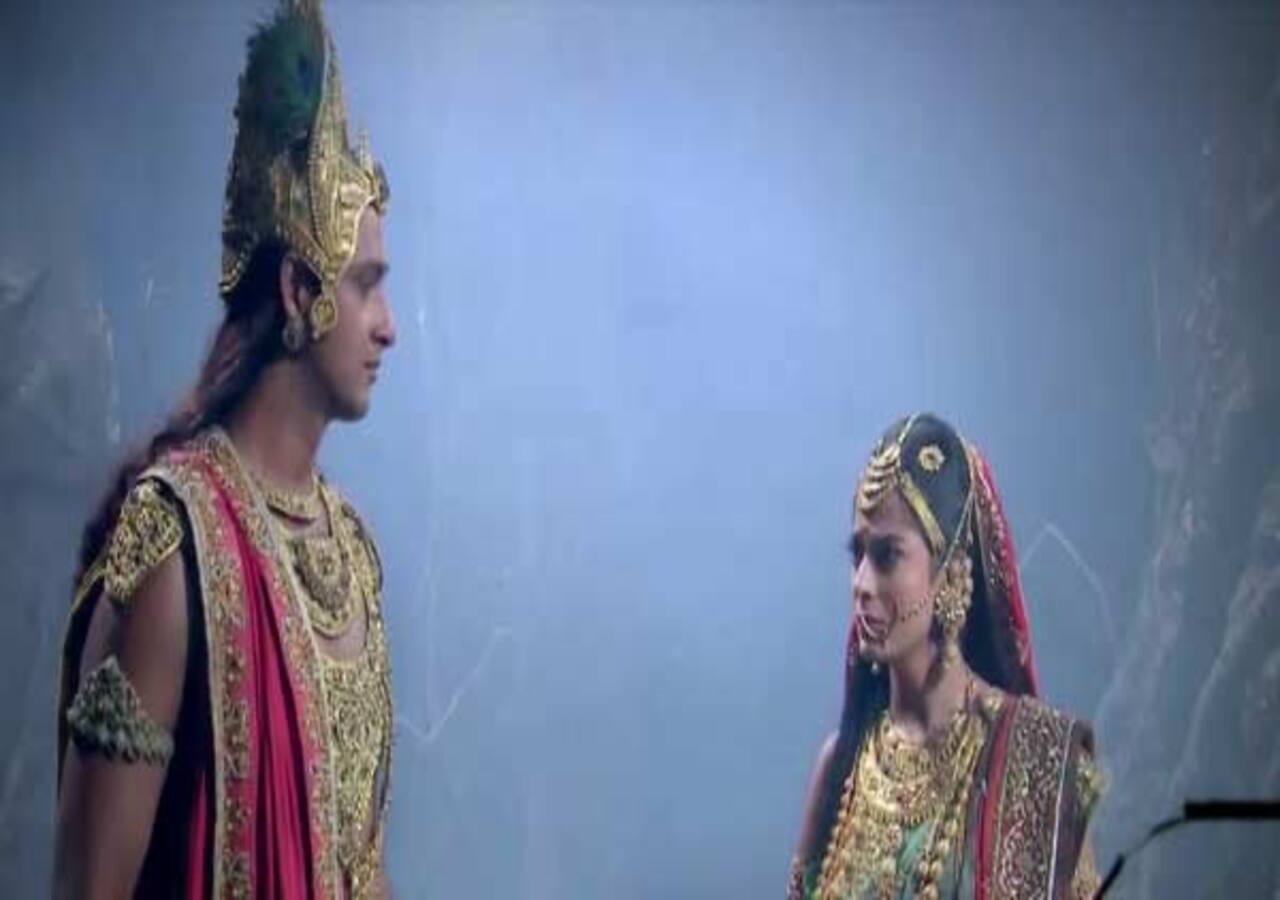
After years of exile and concealment, the Pandavas returned to claim their rightful share of the kingdom. Despite Krishna’s efforts as a peace messenger, Duryodhan’s arrogance prevailed — he refused even a needlepoint of land to the sons of Pandu. With diplomacy shattered, war became inevitable.
The battlefield chosen was Kurukshetra, a sacred land believed to magnify the fruits of karma. Both sides began preparing for the greatest war the world had ever seen.
Duryodhan’s Race for Allies
Duryodhan, determined to showcase his might, set out first to gather support. With Shakuni’s cunning advice, he traveled across Aryavarta, appealing to kings and princes. His arguments were simple yet persuasive:
-
Many owed him favors.
-
Others feared his wrath.
-
Some saw the Kauravas’ wealth and power as a safer bet.
With gifts, promises, and political pressure, Duryodhan secured the allegiance of mighty rulers:
-
Bhishma – although bound to the throne, he commanded the Kaurava army.
-
Karna – his dearest friend and warrior of unmatched skill.
-
Shalya, the king of Madra, whom he tricked into joining his side.
-
Shakuni himself, whose schemes had brought them here.
-
Several powerful kingdoms like Sindhu (Jayadrath), Gandhara, Bahlika, Anga, and more.
Duryodhan’s strength lay in numbers — eleven Akshauhinis (massive divisions of soldiers, elephants, chariots, and cavalry) rallied behind him.
The Pandavas’ Call to Arms
The Pandavas, though fewer in number, commanded respect and loyalty born from dharma. Their appeal was not just political, but moral. Krishna himself guided their alliances, reminding kings that the war was not merely for land but for righteousness.
The Pandavas’ allies included:
-
Drupada, father of Draupadi, and his powerful son Dhrishtadyumna, who would be the commander-in-chief.
-
Shikhandi, destined to play a role in Bhishma’s fall.
-
Virat, whose daughter Uttara had married Abhimanyu, bringing the Matsya kingdom into their fold.
-
Abhimanyu, Arjun’s heroic son, and the Upa-Pandavas, who had grown into warriors.
-
Ghatotkach, son of Bheem and Hidimba, commanding rakshasa forces.
-
Loyal friends and allies like Satyaki, Yuyudhana, and the Yadavas.
The Pandavas assembled seven Akshauhinis — smaller in number, yet filled with warriors of divine skill.
Krishna’s Choice: Charioteer or Army
The most dramatic moment in these preparations came when both Arjun and Duryodhan went to Krishna for aid. Krishna offered a choice:
-
On one side, his Narayani Sena, vast and skilled.
-
On the other, Krishna himself, unarmed, vowing never to lift a weapon.
Duryodhan eagerly chose the mighty army. Arjun, with humility, asked Krishna to be his charioteer. That moment sealed the destiny of the war — for though Krishna would not wield weapons, his wisdom and divine guidance would shape every turn of the battle.
The Division of Power
Thus, the balance of power stood:
-
Kauravas → Eleven Akshauhinis, led by Bhishma as the supreme commander.
-
Pandavas → Seven Akshauhinis, commanded by Dhrishtadyumna, but with Krishna himself as their guiding light.
The stage was set not only for a war of strength but also for a war of strategy.
The Gathering at Kurukshetra
Kurukshetra soon transformed into a sea of soldiers.
-
Elephants adorned with armor stood like moving fortresses.
-
Chariots gleamed in the sun, drawn by white steeds.
-
Conch shells, war drums, and the neighing of horses filled the air.
-
Kings arrived with banners bearing their emblems, each eager to carve his place in history.
Both camps built their headquarters: the Kauravas closer to Hastinapur, the Pandavas toward the western plains. Every night, strategies were discussed. Every dawn, soldiers trained for the inevitable.
Formation of Vyuhas (Battle Arrays)
As preparations reached their peak, both sides designed vyuhas — strategic formations that could turn the tide of war.
-
Kauravas, with Bhishma and later Drona, mastered complex formations like the Chakravyuh (circular array), designed to trap and destroy enemies.
-
Pandavas, with Krishna’s counsel and Arjun’s brilliance, practiced breaking such formations and creating counter-strategies.
Each vyuha was not just military science but also infused with divine geometry, symbolizing cosmic order against chaos.
The Emotional Storm
Beyond numbers and strategies, the greatest preparation was internal.
-
Yudhishthir, though committed to dharma, dreaded the bloodshed of kin.
-
Bheem burned with fury, his vows against Duryodhan and Dushasan fuelling his spirit.
-
Arjun, the greatest archer, stood conflicted between duty and compassion.
-
Nakula and Sahadev, loyal and steadfast, prepared silently.
Draupadi, whose humiliation had sown the seeds of war, prayed for justice, her eyes reflecting the fire of vengeance. Mothers, wives, and children of warriors trembled, knowing many would never return.
The Moment Before the Storm
The armies now stood face to face on the sacred soil of Kurukshetra. Flags fluttered, weapons gleamed, and the earth trembled under the weight of millions of soldiers.
Both camps awaited the sound of the conch shells that would mark the beginning of the Mahabharata — the great war that was not just about land, but about dharma itself.
Conclusion
The preparations for Kurukshetra were more than the gathering of armies. They were the gathering of destinies. Eleven Akshauhinis of the Kauravas against seven of the Pandavas — the balance seemed uneven, yet fate tilted toward those who stood with dharma.
It was a clash not just of weapons but of ideals, where alliances, strategies, and divine will intertwined. The world held its breath, for once the first arrow flew, history itself would change forever.


